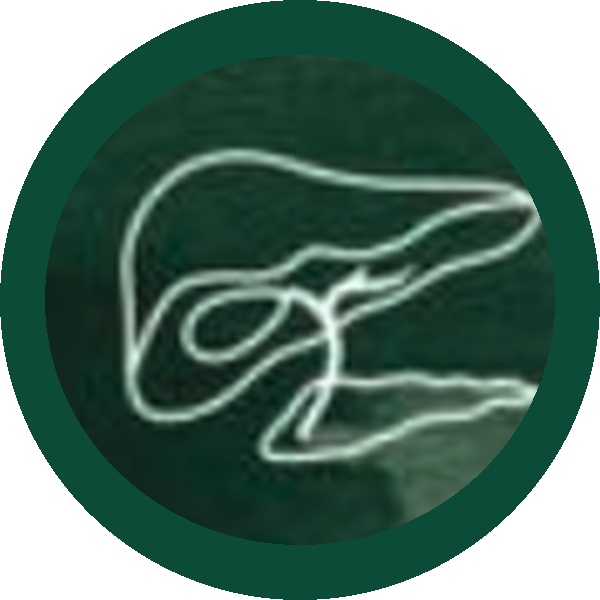
A complex anatomical cancer pathway
Biliary cancers can arise at different levels of the biliary tree. Location strongly influences diagnosis, drainage strategy, tissue acquisition and whether surgical resection is technically and oncologically appropriate.
Diagnosis and biliary drainage
Cross-sectional imaging is fundamental. EUS, ERCP and cholangioscopy may then be used selectively for tissue acquisition, ductal definition or treatment of obstruction. The order of investigations matters because instrumentation can affect subsequent interpretation and management.
Surgery
Potentially curative surgery may require bile-duct resection alone or in combination with major liver or pancreatic surgery depending on tumour location. These decisions require careful staging and multidisciplinary planning.
References & clinical guidance
- ESGE — Endoscopic tissue sampling, upper GI and HPB tracts
- National Cancer Institute — Liver Cancer Treatment
Clinical content on this page is original patient-facing writing informed by the cited sources; it is not reproduced from them.
This information is educational and does not replace individual medical assessment. Diagnosis and treatment recommendations depend on the patient, imaging, pathology, disease stage and multidisciplinary assessment.